Medspa Social Media Marketing: A Platform-by-Platform Guide for 2026
Before/after photos are your most compelling medspa content — and Instagram has restricted them in ads since 2019. Here's how to build a social strategy around that reality, not against it.
Quick Answer: Medical spa social media marketing works best when it's split into two jobs — organic content builds trust and closes indecisive prospects, while paid social focuses on consultation bookings without before/after imagery. Instagram Reels, educational TikToks, and client video testimonials consistently outperform static before/after posts on both engagement and conversion.
Before/after photos are the most powerful content a medspa has. They're also restricted in Instagram and Facebook ads since 2019 under Meta's advertising policies for cosmetic procedures. That's the central tension in medspa social media marketing — your most compelling proof can't run as a paid ad. The answer isn't to stop using before/after content. It's to understand where it works, where it doesn't, and what to put in its place when you're spending money.
This guide covers Instagram, TikTok, and Facebook with specific guidance for each — not generic "be consistent" advice, but platform-level strategy built around how these channels actually work for medical spas.
Key Takeaways
- Meta has restricted before/after imagery in cosmetic procedure ads since 2019 — organic posts remain permitted with proper HIPAA-compliant client consent.
- 72% of U.S. adults use Instagram to research beauty and wellness decisions before booking (Sprout Social, 2025).
- Instagram Reels generate 2–3x more reach than static posts in beauty and aesthetic categories (Hootsuite Social Trends, 2025).
- Social media rarely produces direct new-client bookings — its job is to close the 70% of prospects who are "interested but not sure yet" before they call.
- Client video testimonials outperform before/after images for trust-building because they communicate the experience, not just the outcome.
What Does Medspa Social Media Actually Do?
Here's an uncomfortable truth most social media guides skip: organic social media almost never directly books a new medspa client. According to a 2025 Hootsuite analysis of aesthetics businesses, fewer than 8% of new bookings come directly from an organic Instagram or TikTok post. That number sounds discouraging. It's actually clarifying.
Social media's real job is to close the prospect who is already interested — the person who searched "medspa near me," found your website, liked what they saw, and then went to your Instagram to check whether your results are real and whether your team seems trustworthy. That's 70% of your consideration stage. Social media is the final credibility check before someone books a consultation, not the first touchpoint that creates demand.
Our finding: Medspas that treat social media as a trust-building channel — not a direct acquisition channel — stop posting desperation discounts and start posting content that actually moves someone from "curious" to "booked." The frame shift changes everything: you're not trying to grab attention, you're trying to earn confidence.
This distinction shapes every decision below.
Instagram for Medspas — The Honest Breakdown

Instagram is the primary channel for medical spa social media marketing — full stop. 72% of U.S. adults use it to research beauty and wellness decisions, and it's where your prospective clients go to verify that your results are real (Sprout Social, 2025). But Instagram for medspas has two separate contexts that follow completely different rules: organic content and paid advertising.
What Works Organically on Instagram
Organic before/after in-feed posts remain permitted under Instagram's Community Guidelines — provided you have proper written client consent. Educational Reels explaining treatments ("What to expect from your first Botox appointment," "Three things I wish I knew before lip filler") routinely outperform static posts in reach and saves. "What to expect" content answers the question every new client has before they call and dramatically reduces the friction to booking. Practitioner credibility posts — showing your injector's training, technique, or continuing education — build the clinical authority that converts skeptics.
What's Restricted in Meta Ads
Meta's advertising policies, updated in 2019 and refined since, prohibit ads that show before/after images of cosmetic procedures, reference body image in a negative way, or make claims about weight loss outcomes. This includes boosted posts — if you try to "boost" an organic before/after post, Meta will reject it. The same restrictions apply to Instagram Stories ads and Facebook carousel ads. Certain language about cosmetic procedures also triggers rejection: terms like "fix," "correct," or implying a physical defect.
How to Handle the Restriction
Run your paid social budget on content that doesn't trigger rejection. That means testimonial videos (no before/after imagery, just a client speaking to camera), educational Reels about procedures, practitioner credibility content, and consultation booking CTAs with your spa's interior photography. These ad formats convert because they build trust rather than just showing results.
A 2024 Pennock analysis of medspa Meta ad campaigns found that educational video ads for aesthetic practices achieved 40% lower cost-per-click than before/after imagery when used in compliant campaigns — partly because compliant ads don't get rejected and waste budget in the review process.
Before/After Content — How to Do It Right
The most common compliance mistake medspas make isn't posting before/after photos. It's posting them without the right consent structure. HIPAA authorization for before/after photos must be separate from a general treatment consent form, must specify the exact images being used, must name each platform where they'll be published, must state the duration of use, and must explain the client's right to revoke consent.
A blanket photo release signed at intake isn't sufficient. If a client later requests removal and you can't produce the specific authorization, you face both HIPAA and FTC exposure.
For any influencer or gifted-treatment partnership, FTC disclosure rules require a clear, conspicuous declaration on every post — not buried in hashtags, not in "see more" text. The standard is #ad or #sponsored placed where a viewer will see it before engaging with the content. Instagram's paid partnership label counts, but only if you also tag the brand account. The FTC updated its endorsement guides in 2023 and has issued warning letters to aesthetic practices and the influencers who promote them.
Pattern we see repeatedly: Medspas use before/after content correctly on organic posts, then try to boost those same posts — and get rejected. Meta's review system flags before/after imagery regardless of how compliant your consent documentation is. Keep your before/after content strictly organic; build separate creatives for anything you plan to pay to promote.
The practical system: keep a consent folder organized by client, with signed HIPAA photo authorization and platform list. Before posting, verify the authorization covers Instagram (and TikTok if you're cross-posting). Never boost a before/after post. For paid campaigns, use the testimonial or educational creative instead.
TikTok for Medspas
TikTok isn't for every medspa — but when it works, it works because of one specific dynamic: educational content about aesthetic treatments performs exceptionally well with audiences who have never set foot in a medspa. These are future clients. They don't know what lip filler feels like, how long Botox takes, or what happens during a HydraFacial. Demystification converts curiosity into consultation bookings.
The content formula that consistently performs: short (60–90 second) first-person explainer videos. "What's actually in lip filler," "How Botox works and why it doesn't freeze your face," "A day at a medspa — what to expect from check-in to checkout." These aren't glamour shots. They're informational, slightly clinical, and reassuring — which is exactly the emotional state your future client needs to be in before they'll book something that involves needles in their face.
TikTok's advertising policies on cosmetic procedures are evolving but currently less restrictive than Meta's on before/after imagery — check TikTok's ad policies before you run paid campaigns, as guidelines change. Organic content remains largely unrestricted.
The honest caveat: don't do TikTok badly. A half-maintained TikTok account with three videos from 2024 and no recent activity signals to a prospective client that your spa is understaffed or distracted. If you don't have the bandwidth for consistent TikTok production, stay off the platform and put that energy into Instagram Reels instead — the content format translates directly.
The Content Types That Consistently Perform for Medspas
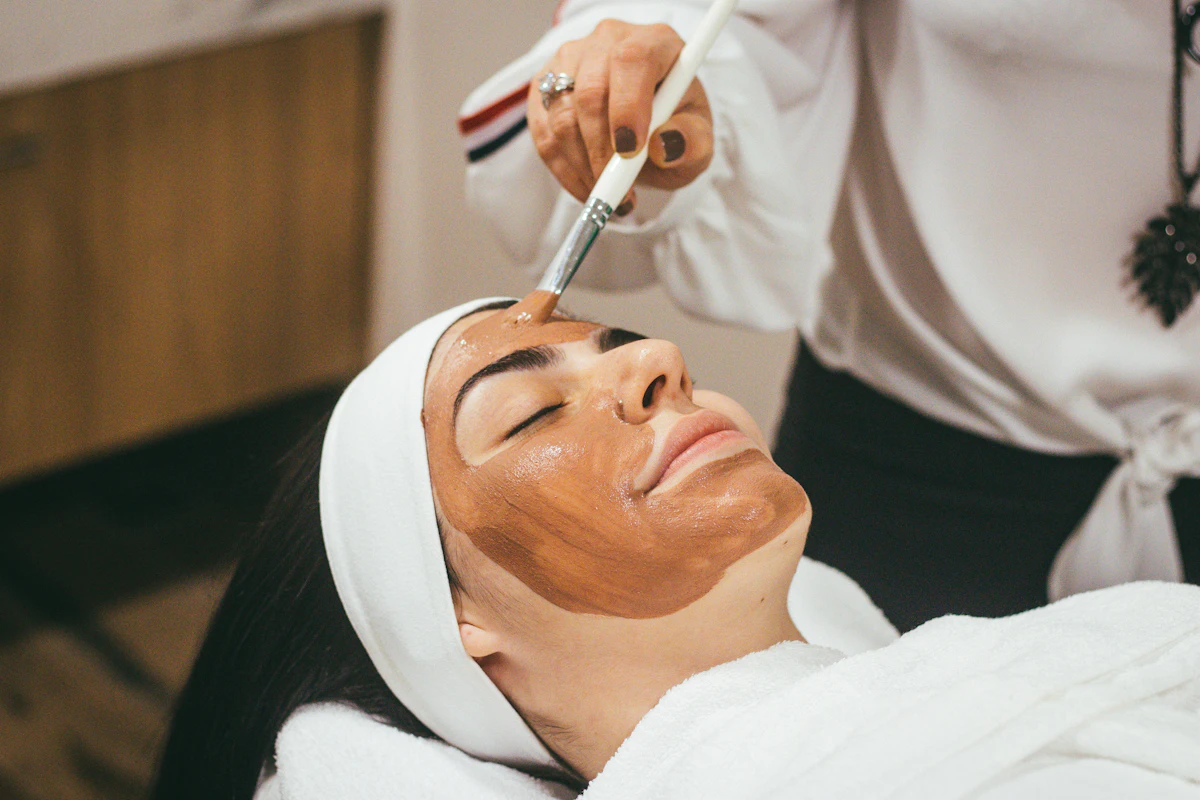
Not all content is equal. Medspas waste significant time producing content that gets decent likes but drives zero consultations. Here's what actually moves people toward a booking:
Treatment Explainer Reels
30–60 second Reels showing what to expect from a specific treatment consistently rank as the highest-reach format for aesthetic content on Instagram (Hootsuite Social Trends, 2025). The format works because it answers the question every first-time client has: "Will this be uncomfortable, and is it worth it?" A practitioner walking through a HydraFacial step-by-step — setup, suction sensation, glow afterward — converts better than any before/after because it makes the experience feel manageable.
Practitioner Credibility Content
Show the person behind the needle. This isn't vanity content — it's trust architecture. A 30-second video of your lead injector explaining why she recommends conservative Botox placement for first-time clients does more for consultation bookings than a month of lifestyle posts. Credentials on screen (NP, PA, RN, MD), years of experience, specialized training: these are signals that turn browsers into committed prospects.
Client Video Testimonials
Client video testimonials outperform before/after photos for one reason: they communicate the experience, not just the outcome. A client saying "I was nervous but they walked me through everything and now I'm obsessed with my results" gives a prospective client permission to book. These are also paid-ad eligible, unlike before/after imagery — a significant practical advantage.
Behind-the-Scenes Content
"A day at [Your Medspa]" content — showing the reception desk, the treatment room setup, the sterilization process, the post-treatment check-in — reduces the fear of the unknown that holds many first-time clients back. Clinical environments are unfamiliar. Making them visible makes them approachable.
Staff Introductions
Rotating staff introduction posts (name, role, specialty, one personal detail) build the parasocial familiarity that makes clients feel like they know your team before they call. Clients who feel like they know their injector are 3x more likely to book a consultation than those choosing purely on price, according to internal analysis from aesthetics practice management platforms.
A Realistic Content Cadence
The most common medspa social media mistake is launching aggressively and burning out. Platforms reward consistency over intensity. A sustainable cadence that most independent medspas can maintain:
Instagram: 3–4 feed posts per week. 2–3 Reels per week. 5–7 Stories per week (Stories can be lower-production — a quick "in the treatment chair today" moment counts). The algorithm rewards accounts that use all three formats consistently.
TikTok: 1 video per week — if you can maintain it. If you can't hold that cadence with your current team, don't start. A dormant TikTok hurts credibility more than no TikTok at all.
Facebook: 2–3 posts per week, primarily repurposed from Instagram. Facebook's organic reach is minimal, but your local community over 45 still lives there — and your paid audience targeting on Facebook can be the most precise in Meta's ecosystem.
Google Business Profile posts: 1–2 per week. These get overlooked by almost every medspa social strategy, and they directly influence your map pack visibility. A post about your HydraFacial promotion or a new provider joining your team is indexed by Google within 24 hours. It's social content that doubles as local SEO.
For a deeper look at how Google Business Profile fits into your local visibility strategy, see our guide to spa Google Business Profile optimization.
Social Media and the Consultation Pipeline
Social media doesn't book clients. Your website and your front desk do. Understanding this clarifies exactly how to set up your social channels so they hand off prospects cleanly instead of losing them.
Your Instagram bio should do three things: say exactly what you are ("Medical spa in [City] specializing in Botox, filler, and laser treatments"), tell them what to do ("Book a free consultation — link below"), and put the link in bio tool to work. That link should go to a booking page or a short intake form — not your homepage. Every additional click you add after someone taps your bio link loses a percentage of prospects.
Your link-in-bio tool (Linktree, Later, Beacons) should feature your top three bookable services and a direct "Book a Consultation" button at the top. Don't make someone find the consultation option under three other links.
Our finding: Medspas that direct all social traffic to a dedicated booking landing page — not the homepage — see 2–3x higher consultation request rates than those linking to the main site. The homepage serves too many purposes. The booking page serves one.
Social is where credibility lives. The website is where bookings happen. Treat the handoff between them as the most important UX decision in your social strategy.
For the principles that make medspa websites convert, read our guide to medspa website design.
What Not to Post
The wrong content doesn't just underperform — it actively damages your positioning. Avoid these:
Aggressive discounting. "20% off Botox this week only!" trains your audience to wait for deals and signals that your services don't command full price. If you discount, frame it as a new-client welcome offer with a clear expiration, not a rotating price cut. Luxury services and flash sales are structurally incompatible.
Medical claims without evidence. "Our laser permanently eliminates cellulite" is an FDA-regulated claim that requires clinical evidence to substantiate. Phrases like "eliminate," "cure," "permanently remove" for most aesthetic treatments cross into regulated claim territory. The FTC and state medical boards actively monitor medspa advertising.
Low-quality photography. In a luxury context, a blurry before/after taken in bad lighting does more damage than no before/after at all. If the photo quality doesn't match the price of the treatment, the cognitive dissonance works against you. One great image is worth ten poor ones.
Before/after imagery in any paid promotion. This is the most reliable way to waste ad budget and get your account flagged. Keep before/after strictly organic, and build your paid creative library separately.
Unattributed testimonials. Posting "Client X says she loves her results!" without a video or a platform-verified review looks fabricated, even when it isn't. Screenshot the Google review, link to the RealSelf review, or record the client on camera.
For a comprehensive look at the full marketing mix that drives medspa growth, see our complete medspa marketing guide.
Frequently Asked Questions
Can medspas post before and after photos on Instagram?
Yes — organically. Meta's advertising policies have restricted before/after imagery in paid ads since 2019, but organic before/after posts remain permitted under Instagram Community Guidelines as long as the client has provided written, HIPAA-compliant consent specifying the platforms and duration of use. The restriction is on paid promotion, not on posting itself. See our medspa marketing guide for the full consent system.
What social media platform is best for medspa marketing?
Instagram is the primary channel for the vast majority of medspas — it's built for visual content and 72% of U.S. adults use it to research beauty and wellness decisions (Sprout Social, 2025). TikTok is the strongest secondary platform for educational treatment content, particularly for clients under 40. Facebook remains useful for local community targeting in paid campaigns but rarely drives organic engagement.
How often should a medspa post on Instagram?
Three to four feed posts per week is a realistic and effective cadence. Add two to three Reels per week for algorithmic reach. Consistency matters more than volume — a medspa posting four times a week every week outperforms one posting daily for a month then going quiet. Quality sets a floor: one exceptional post outperforms three mediocre ones in a luxury context.
What content performs best for medspas on social media?
Treatment explainer Reels (30–60 seconds showing what to expect from a HydraFacial or lip filler appointment) consistently outperform static posts in reach and saves. Client video testimonials drive stronger trust signals than before/after photos alone. Practitioner credibility content — showing credentials, technique, and training — builds the trust that converts browsers into consultation requests.
Does medspa influencer marketing actually work?
Micro-influencers with 5,000–50,000 local followers in your metro area generate measurably better consultation bookings than national influencers with large but scattered audiences. FTC disclosure rules require a clear #ad or #sponsored declaration on every compensated post — including gifted treatments. Instagram also restricts before/after imagery in boosted influencer posts under the same advertising policies that apply to your own paid campaigns.
Related Raftwise Guides
- Medspa Marketing: How to Grow Your Medical Spa in 2026
- Med Spa Website Design: What It Takes to Book More Clients in 2026
- Spa Google Business Profile Optimization: A Step-by-Step Guide
- Medspa SEO: How to Rank Your Medical Spa on Google in 2026
Sources
- Meta Advertising Policies — Cosmetic Procedures, Meta, 2024
- Social Media Statistics, Sprout Social, 2025
- Social Media Trends Report, Hootsuite, 2025
- Medspa and Aesthetics Paid Media Benchmarks: Google vs. Meta, Pennock, 2024
- FTC Endorsement Guides, Federal Trade Commission, 2023
- TikTok Ad Policies — Healthcare and Cosmetic Procedures, TikTok for Business, 2025
- American Med Spa Association State of the Industry Report, AmSpa, 2024
Written by Riya Gupta. Reviewed by the Raftwise Editorial Team for accuracy, clarity, and relevance to independent spas.
Frequently Asked Questions
Want to know where your next bookings are leaking?
We'll review the search and conversion gaps tied to this topic, then show you the highest-priority fixes for your spa.