Instagram and Local SEO for Salons: How They Work Together (and Where They Do Not)
Instagram builds awareness. Google drives bookings. Understanding the difference — and how to use both together — is the strategy most salons are missing.
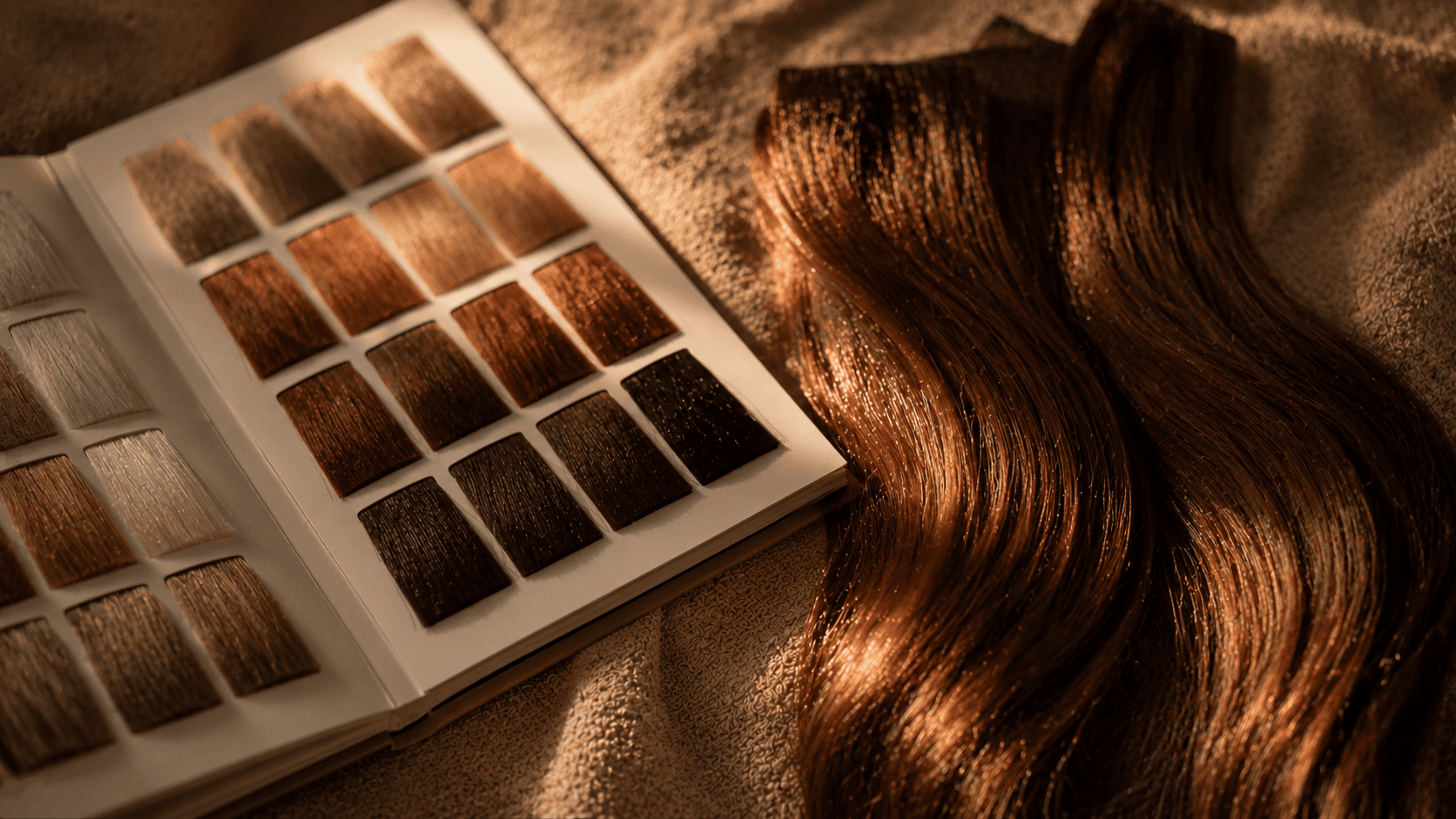
Walk into almost any independent hair salon and ask the owner where their marketing focus is: Instagram will be the first answer. The work is beautiful, the platform is visual, and the likes and follows feel like momentum. But Instagram followers do not automatically become booked clients — and for many salons, Instagram is consuming the majority of marketing attention while producing a minority of new client bookings.
Understanding what Instagram does and does not do — and how to integrate it with local SEO — is the strategy gap most salons are missing.
What Instagram Actually Does for a Salon
Instagram is a discovery and portfolio platform. It allows potential clients to evaluate your work, develop familiarity with your stylists, and follow you for ongoing inspiration. It is excellent at:
- Building social proof — a portfolio of before-and-afters that demonstrates your skill
- Creating warm leads — followers who have been watching your work for weeks or months are primed to book
- Attracting referrals — clients share their results on their own Instagram, sending their followers to your profile
- Setting service expectations — potential clients can see exactly what your color work looks like before they commit
What Instagram does not do well: drive cold acquisition from people who have never heard of your salon. When someone moves to a new neighborhood and searches "hair salon near me," they are not on Instagram — they are on Google Maps. If you are not visible there, Instagram cannot help.
What Google Local Search Does That Instagram Cannot
Google local search captures high-intent demand. When someone types "balayage near me" or "hair salon open Saturday [city]," they are ready to book. They are not browsing — they are searching with intent to take action.
This high-intent traffic converts into booked appointments at significantly higher rates than passive Instagram discovery. A potential client who finds you via Google Maps, sees your reviews, and clicks your booking link is further along the decision path than a follower who has been casually watching your posts.
Google and Instagram play different roles in salon discovery. The strategic implication: your GBP and local SEO deserve at least as much attention as your Instagram presence. Track the source of each new client and compare booked revenue from each channel before deciding where to invest your time.
Instagram Search: A Growing But Different Channel
Instagram's in-app search has improved significantly and is now a meaningful discovery channel — particularly among users under 35 who use Instagram as a visual search engine for style inspiration and local services.
The key distinction: Instagram Search is primarily interest and hashtag-based, not location-intent-based. A user searching "balayage [city]" on Instagram is browsing for inspiration and may find your account. A user typing the same phrase into Google Maps is ready to call and book.
Both matter. They serve different stages of the funnel.
To be found in Instagram Search:
- Use specific, searchable hashtags on posts:
#balayage[city],#hairsalon[city],#[city]hairstylist - Include your city and neighborhood in your bio
- Name your account something searchable, not just
@yourfirstname_hair - Tag your location on every post
None of this replaces Google Maps optimization — it extends your visibility to a different audience.
NAP Consistency Across Platforms
One of the indirect ways Instagram affects your local SEO is through NAP (Name, Address, Phone) consistency signals. Google looks at how your business name and address appear across the web and uses consistency as a trust signal.
Your Instagram bio is a citation. If it shows a slightly different name, an old address, or a different phone number than your GBP, it may create inconsistency signals across platforms.
Audit your Instagram bio against your GBP:
- Business name: Identical format, including punctuation and abbreviations ("Salon" vs "The Salon" vs "Salon & Co.")
- Address: Including suite number if applicable, same abbreviations as GBP (St. vs Street)
- Phone number: Same format as GBP (10 digits, consistent formatting)
- Website URL: Link to your website homepage, not your booking platform's public page
This takes 5 minutes and is consistently overlooked.
Using Instagram to Drive GBP Reviews
The most valuable local SEO activity you can run through Instagram is a review-driving campaign — channeling your engaged Instagram audience (clients who love your work and follow you for it) toward leaving Google reviews.
This works because your Instagram followers are warm clients with existing trust in your work. They are more likely to follow through on a review request than someone who received a cold post-appointment text.
Effective review-driving tactics through Instagram:
Story sequence: A 3-slide Story. Slide 1: "Our Google reviews help new clients find us." Slide 2: "If you've ever been in, we'd love a review." Slide 3: A screenshot of your GBP page with a link sticker pointing directly to your Google review URL. Instagram link stickers on Stories make this frictionless — one tap and the patient is on your review page.
Caption prompts: On before-and-after posts, add at the end of the caption: "Been in recently? A Google review means the world to us — link in bio."
Bio link rotation: If you use a link-in-bio tool (Linktree, Later, etc.), periodically feature your Google Review link as the primary link for a week.
Do not screen by sentiment or offer incentives for reviews — both violate Google's review policies. Use a neutral request and let clients decide whether to leave one.
The Content Types That Drive Bookings, Not Just Likes
Instagram metrics are seductive. A photo that gets 400 likes feels like a marketing success. But likes do not pay for chair time — bookings do.
The content types that correlate most with booking intent:
Before-and-after with specific service name in the caption. "Full balayage with toner — book through the link in bio." The specific service name tells the viewer exactly what procedure produced the result, and the booking prompt gives them a clear next step. Vague captions ("transformation!") produce engagement; specific captions produce inquiries.
Process Reels for high-ticket services. A 30-second Reel showing your balayage application technique, or the finish on a keratin treatment, demonstrates technical skill in a way that a static image cannot. Clients booking significant color services want to see how you work.
Availability and open-slot posts. "Three spots open this week including Friday evening — book through the link in bio." These convert existing followers who have been meaning to book but have not acted. Simple, specific, actionable.
Client Stories with permission. A brief video of a client showing their result and sharing their experience generates more booking intent than any professional photo. It is the Instagram equivalent of a word-of-mouth referral.
Begin with a mix of portfolio work, process content, and clear booking prompts. Adjust the ratio based on what drives profile visits and attributed inquiries — not which posts get the most likes.
Instagram and local SEO are complementary, not competing. Instagram builds your warm audience of people who trust your work. Google captures cold demand from people ready to book who have never heard of you. The integration point — using your Instagram audience to drive Google reviews, maintaining consistent NAP across both platforms, and using location-specific hashtags to extend Instagram discoverability — is where salons that invest in both channels begin to see compounding returns that neither produces alone.
Related Raftwise guides
- Salon Google Business Profile Optimization: Why You Are Losing to Chains
- How to Get More Salon Clients: The Systems That Actually Fill Your Chair
Sources and further reading
Written by Riya Gupta. Reviewed by the Raftwise Editorial Team for accuracy, clarity, and relevance to independent salons.
Frequently Asked Questions
Want to know where your next bookings are leaking?
We'll review the search and conversion gaps tied to this topic, then show you the highest-priority fixes for your salon.