How to Get More Salon Clients: The Systems That Actually Fill Your Chair
A referral system that works, a confirmation email that drives reviews, a new client special that converts cold search traffic — here is what growing salons do differently.
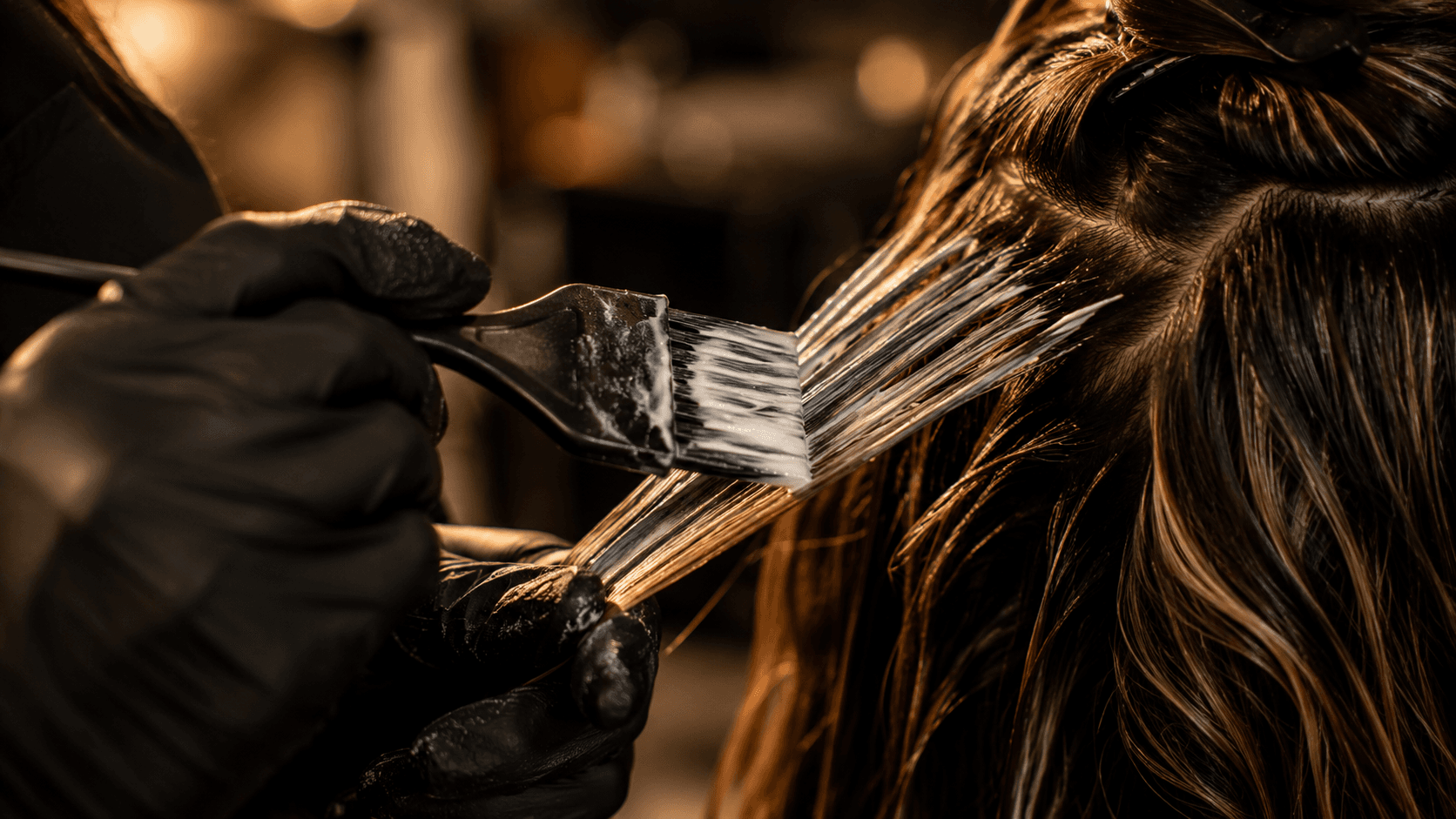
Every salon has a steady stream of existing clients. Growing a salon means building two things simultaneously: the systems to retain those clients (and have them refer others), and the marketing presence to attract new clients from local search. Most salons are weak on both.
Here is what the systems look like when they work.
Why Rebooking Beats New Client Acquisition
Before changing your new-client strategy, start with the math. Replacing a client who drifted away costs you more than retaining them ever would. The economics of a salon depend on the percentage of clients who rebook consistently — industry terminology calls this the retention rate or rebooking rate.
A salon with improving rebooking builds a larger base of repeat business. A salon with declining rebooking must spend more acquisition effort replacing clients who do not return.
The rebooking conversation happens before the client leaves the chair. Not at checkout — at the chair, while the stylist is finishing. "You are going to want to come back in about eight weeks to keep this fresh. Want me to get you booked before you leave?" This timing works because the client is looking in the mirror, feeling great about their hair, and emotionally primed to commit.
Set a rebooking target from your current baseline, service cadence, and capacity. Train the team on a consistent pre-checkout booking conversation and measure the result.
The Referral System That Actually Works
Generic referral programs ("refer a friend and get $10 off your next service") underperform because the incentive is weak and the process is passive. Clients forget about the offer by the time they have a conversation with someone who might benefit from your salon.
A referral system that works:
Step 1: The timing. Ask for referrals at the moment of peak satisfaction — when the client is in the chair, thrilled with their result, looking in the mirror. "We would love to meet your friends. If you ever send someone our way, tell them to mention your name — we take great care of referrals."
Step 2: The tangible prompt. Give the client two referral cards they can physically hand to someone. Not a discount code to text — a physical card with a new client special printed on it ("Mention [Client Name] for 15% off your first service at [Salon Name]"). Physical cards work because they create a moment of deliberate choice and are more memorable than a text message.
Step 3: Close the loop. When a referred new client books, send the referring client a thank-you text ("Your friend [Name] just booked with us — thank you so much for the referral!"). This takes 30 seconds and significantly increases the likelihood the referrer sends someone else.
The New Client Special: Converting Cold Search Traffic
A potential client who found your salon on Google and is visiting your website for the first time is in a different mindset than a referral. They do not know you, have no social proof beyond your reviews, and are comparing you against 2–3 other salons in the same search session.
A new client special converts this cold traffic into booked appointments by reducing the perceived risk of trying a new salon.
The offer needs to appear:
- On your website homepage, above the fold (not buried in a "Promotions" page)
- On your GBP as a regular Post (refresh it monthly)
- On your Google Ads landing pages if you run paid search
Effective offer structures:
- "First color service: 20% off" — price-anchored, specific
- "New client blowout special: $45" — flat price, lower than your regular rate
- "Your first balayage includes a complimentary gloss — $40 value" — added value framing
- "$25 off your first appointment over $100" — appeals to higher-ticket first visits
What does not work: vague "new client discount" with no defined offer, or "free consultation" (consultations are expected, not differentiating).
The Confirmation Email as a Retention and Review Tool
Most booking platforms (Vagaro, Fresha, Booksy, StyleSeat) send automated confirmation emails. Most salon owners accept the default template — appointment details plus a cancel/reschedule link — and consider it done.
Two upgrades that generate outsized returns:
For first-time clients: Add a "What to Expect" section to the confirmation email. Where to park. What to bring (reference photo if they have a style idea). Whether to wash their hair beforehand. What the first few minutes of the appointment will look like. This email reduces the anxiety of trying a new salon and decreases no-show rates for new clients by setting expectations concretely.
Post-appointment follow-up email: Set up an automated email sent 4–6 hours after the appointment ends. The email should thank the client for coming in, include a brief care tip for their service (how to maintain a balayage, how long to wait before washing after a keratin treatment), and include a direct link to leave a Google review. This single automated sequence generates more reviews per month than any manual review-ask process.
The Instagram-to-Website Pipeline
Instagram is a portfolio and discovery platform for salons. But it does not replace local SEO — it complements it.
The pipeline that works:
- Post a before-and-after on Instagram (geotag your city and neighborhood)
- Caption includes the service name ("Full balayage and toner") and a booking prompt ("Link in bio to book")
- Link in bio goes to your booking page directly
- Google reviews are mentioned in Stories periodically ("If you have been in recently, we would love a Google review — link in bio")
Instagram clients are not the same as Google search clients. Instagram drives bookings from followers who already know your work. Google drives bookings from clients who have never heard of you but are actively searching for your service. Both pipelines matter. Neither replaces the other.
Tracking Which Channels Are Actually Producing Clients
"How did you hear about us?" in your intake form or at checkout produces cleaner data than most salons think — if the options are specific. Instead of open-ended "how did you hear about us?", use a multiple-choice list:
- Google Search
- Google Maps
- Friend/family referral
- Yelp
- Walked by / saw signage
- Other
Review this data monthly. The channel mix may differ sharply by market and service. Use the salon's attribution data to decide whether Google, referrals, Instagram, paid media, or another source deserves more time and budget.
Growing your salon client base is a systems problem, not a marketing spend problem. The referral system, the rebooking conversation, the new client special, and the automated review request are all zero or near-zero recurring cost once set up — and they compound over time. Build them once, train your team on them, and new clients and rebookings become a predictable output rather than a quarterly anxiety.
Related Raftwise guides
- Salon Website Design That Actually Converts: What Most Sites Get Wrong
- Salon Google Business Profile Optimization: Why You Are Losing to Chains
Sources and further reading
Written by Riya Gupta. Reviewed by the Raftwise Editorial Team for accuracy, clarity, and relevance to independent salons.
Frequently Asked Questions
Want to know where your next bookings are leaking?
We'll review the search and conversion gaps tied to this topic, then show you the highest-priority fixes for your salon.