Dental Patient Retention: The System That Stops the Leaky Bucket
Most practices spend heavily on new patient acquisition while losing 15–20% of existing patients every year. Fix the retention side first — that is where the real economics are.
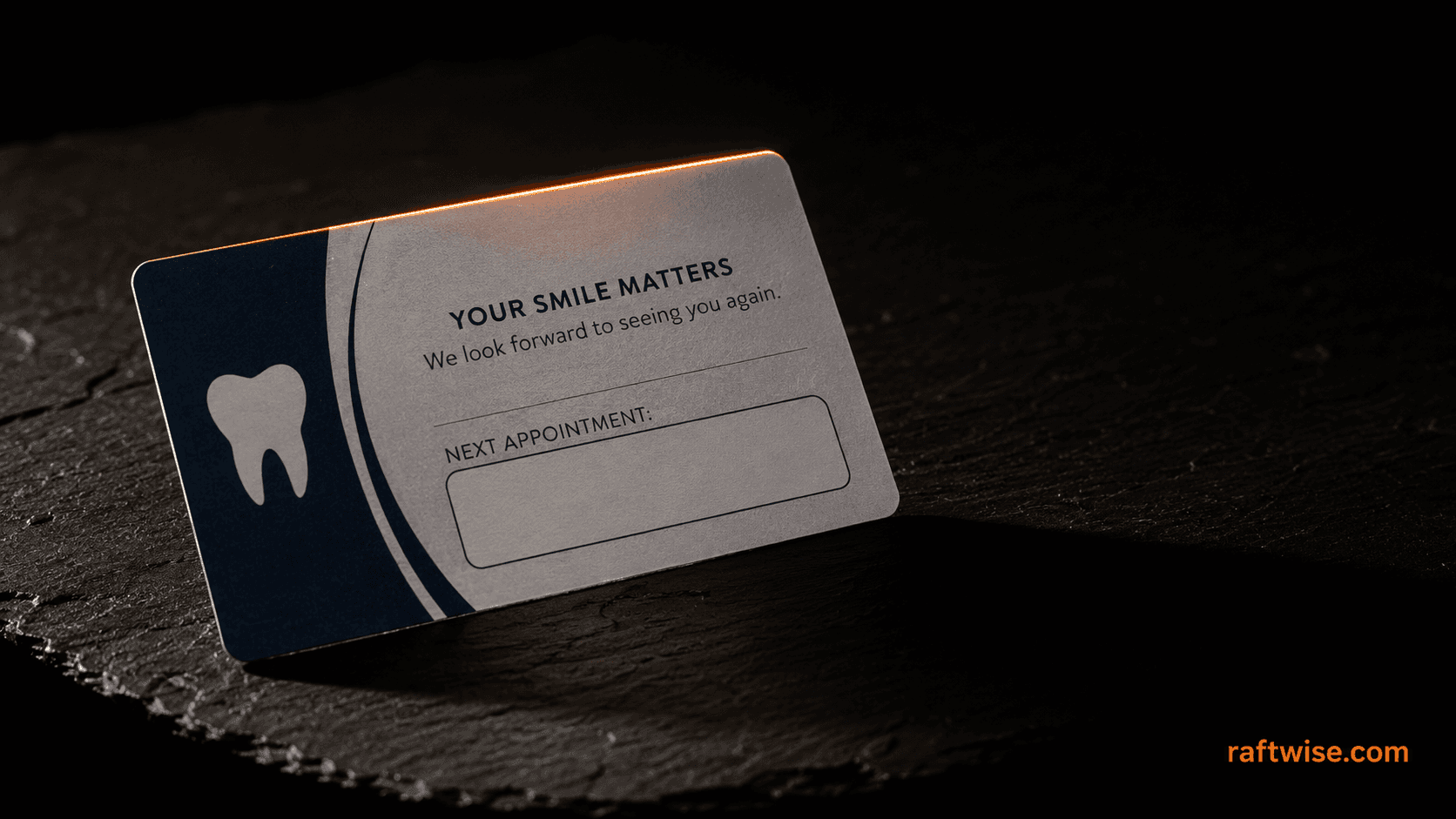
Dental practices retain patients by running a consistent recall system, pre-booking hygiene appointments before patients leave the chair, following up on unscheduled treatment within 30 days, and maintaining communication between visits through brief, relevant outreach. Practices that do all four consistently maintain 85%+ retention rates and compound patient lifetime value — typically $800–2,500 per active patient per year — rather than spending that revenue replacing patients who quietly drifted away.
Key Takeaways
- The average independent dental practice loses 15–20% of active patients annually — often without realizing it (American Dental Association Health Policy Institute, 2024).
- A retained patient generates $800–2,500/year in recurring revenue; acquiring a replacement costs $150–300 in new patient marketing.
- Pre-booking the next hygiene appointment before the patient leaves is the single highest-leverage retention action in any practice.
- Unscheduled treatment plans represent, on average, $35,000–50,000 in deferred revenue per practice per year.
- Billing surprises are the most cited emotional driver of patient attrition — more than distance, hours, or chairside manner.
The Leaky Bucket: Why Acquisition Math Doesn't Add Up
Forty new patients a month sounds like growth. It is — until you account for the 30 you're losing at the same time.
The average independent dental practice loses between 15% and 20% of its patient base annually (ADA Health Policy Institute, 2024). For a practice with 1,500 active patients, that's 225–300 patients walking out the door every year — silently, without complaint, without a forwarding address.
Most of those patients aren't angry. They didn't find a cheaper dentist or have a bad experience. They got busy, forgot to reschedule, received a surprising balance-due notice, or simply felt like the practice didn't particularly care whether they came back. That's the part that stings: patient attrition is largely preventable, and most of the fixes cost almost nothing to implement.
The math that matters isn't new-patients-added. It's net active patient growth — new patients added minus patients lost in the same period. A practice adding 40 new patients per month and losing 30 is growing at 10 patients per month, not 40. That's a $4,000–8,000 monthly revenue gap hiding inside an apparently healthy acquisition number.
What Dental Patient Retention Actually Means
Patient retention rate is the percentage of active patients who return for at least one appointment within a defined period — typically 12 or 18 months. A patient who hasn't been seen in 18 months is operationally considered lost, even if they're still in your PMS.
The industry benchmark for a well-run independent practice is 85% or higher. Most practices without a formal recall system sit at 70–80%. Practices that actively track and work their retention — with recall outreach, reactivation sequences, and pre-booking protocols — can sustain 88–92%.
Patient attrition is the inverse: the rate at which patients stop returning. At 15% annual attrition on a 1,500-patient base, you lose roughly 225 patients per year. At an average patient lifetime value of $1,200 per year, that's $270,000 in recurring annual revenue that needs to be replaced through new patient acquisition — at an acquisition cost of $150–300 per patient.
The recall system is the operational mechanism that drives patients back for hygiene and checkup appointments on a defined cadence — typically every six months. It is the engine that separates a practice with 85% retention from one at 70%.
Why Patients Actually Leave
The reasons patients give when asked are rarely the real reasons. "Found someone closer" is the polite exit. The actual drivers — pulled from patient satisfaction research and exit surveys — look different.
Scheduling friction is the leading operational cause. Patients who leave the office without their next appointment booked are significantly less likely to return. The longer the gap between "I should schedule my cleaning" and the actual booking, the more life gets in the way.
Billing surprises are the leading emotional cause. A patient who received a $340 balance-due notice six weeks after an appointment they thought insurance covered doesn't distinguish between a billing error and a bad practice. They just don't come back.
Other common drivers:
- Feeling rushed — hygiene appointments that feel efficient to the practice feel dismissive to the patient
- No follow-up after procedures — a post-extraction or post-implant call from the front desk takes 90 seconds and creates disproportionate goodwill
- Unacknowledged outstanding treatment — patients with treatment plans on file who were never contacted again feel forgotten
- Front desk friction — being put on hold, difficulty reaching a human, or impersonal check-in experiences compound over time
Pattern we see repeatedly: Practices with high clinical quality and low retention often have an invisible front desk problem — the appointment experience is excellent, the administrative experience is merely adequate. Patients who get exceptional clinical care but forgettable administrative interactions return less reliably than patients who get both.
The Recall System: Your Retention Engine
The hygiene recall cadence is the structural backbone of dental patient retention. A patient who completes two hygiene appointments per year — every six months — has a materially higher lifetime value and lower attrition risk than a patient on an irregular schedule.
The recall system has three components:
1. Pre-appointment reminders (72–48 hours out) Text and email reminders at 72 hours and 24 hours before the appointment. The 72-hour reminder reduces no-shows by allowing rescheduling with enough lead time to fill the slot. Confirmation at 24 hours reduces same-day cancellations. Platforms like Weave, Lighthouse 360, and Dentrix Ascend automate this from your PMS appointment data.
2. Post-appointment re-booking (before the patient leaves the chair) This single step has more impact on retention than any other. When the hygienist finishes and says, "Let me have the front desk schedule your next appointment," and the patient leaves with a confirmed date on the calendar, retention for that patient is close to 90%. When they leave without booking, retention drops to 50–60%. The goal is zero patients leaving without their next appointment.
3. Recall outreach for unbooked patients (4–6 week post-due window) Patients who didn't pre-book, or who cancelled and didn't reschedule, need a recall outreach sequence. Start with a text at the 4-week mark, email at 5 weeks, and a personal phone call at 6 weeks for high-value patients. Keep the language warm and practical: "You're due for your six-month cleaning — we have openings next week if that works."
The New Patient Experience: The First Three Visits Define Everything
Acquiring a new patient is expensive. The first three appointments determine whether that acquisition cost pays back over years or gets written off after a single visit.
The intake experience sets the tone before the patient arrives. A pre-visit text with parking information, what to expect, and a brief welcome from the doctor costs nothing and dramatically reduces first-appointment anxiety — particularly for patients with dental anxiety, which affects approximately 36% of the population (Journal of Dental Research, 2023).
The first appointment has one job beyond the clinical work: make the patient feel known. That means the hygienist reviewing and referencing intake notes, the doctor spending at least 90 seconds on conversation that isn't purely clinical, and the front desk confirming the patient's preferred contact method before they leave.
The 30-day follow-up is almost universally skipped and almost universally effective. A brief text — "Hi [Name], just checking in after your first visit with us. We hope you're settling in and that everything went well. Let us know if you have any questions before your next appointment" — has a response rate above 30% in our experience and creates a conversational relationship that hygiene reminders never achieve.
For a comprehensive guide to the full new patient intake experience, see the new patient onboarding guide for dental practices.
Communication Between Appointments
Staying connected between visits doesn't require a large budget or a full-time marketing hire. It requires a defined cadence and a light touch.
The touchpoints that work without being intrusive:
- Birthday text — first name, brief warm message, no discount offer. Open rates above 60%, near-zero opt-outs.
- Seasonal oral health reminder — one per quarter, tied to a genuine clinical reason (back-to-school checkups in August, holiday candy after Halloween, dry-mouth awareness in winter). Three sentences maximum.
- Review request — 4–8 hours after a completed appointment, for hygiene and elective procedures. See the dental review acquisition guide for the exact request sequence.
- Treatment reminder — for patients with accepted treatment that isn't yet scheduled. Addressed below.
What doesn't work: monthly newsletters that are really practice self-promotion, holiday graphics from your PMS vendor that look identical to every other practice's holiday graphics, and email blasts sent to your entire list at once. Relevance and specificity retain patients; generic volume builds opt-outs.
For the full email marketing playbook including HIPAA-compliant platforms and sequence structures, see dental email marketing campaigns.
Unscheduled Treatment Follow-Up: The Revenue You've Already Earned
The average dental practice has $35,000–50,000 in accepted-but-unscheduled treatment in its PMS at any given time. These are patients who said yes to a treatment plan, received a benefits breakdown, and then never called to book the appointment. They're not lost patients — they're patients waiting for friction to be removed.
The follow-up sequence that converts without pressuring:
- Call at 2 weeks — "Hi [Name], I'm calling to help you get your [crown/implant/Invisalign] scheduled. We have some openings coming up and wanted to reach out before the schedule fills in."
- Text at 4 weeks (if no response to the call) — Include the specific treatment name and a direct booking link.
- Email at 8 weeks — Brief, warm, no guilt. Acknowledge that life gets busy and the offer is still open.
Stop at three touches. More than that becomes pressure; pressure drives attrition, not conversion. Practices that run this sequence consistently recover 20–30% of their unscheduled treatment within 90 days.
Billing Transparency as a Retention Tool
An unexpected bill is not a billing problem. It's a retention problem.
Patients who receive a balance-due notice they weren't expecting respond in one of two ways: they call to dispute it, or they decide the practice isn't trustworthy and stop returning. The second response is far more common — and far more expensive — than the first.
Three operational fixes:
Pre-treatment estimates, always. Before any restorative or elective procedure, the patient receives a written estimate of their expected out-of-pocket cost. Not a range — a specific number, with the insurance assumption clearly stated. "Based on your current benefits, your estimated cost is $280. This may vary depending on final insurance processing."
Clear Explanation of Benefits (EOB) follow-up. When an EOB processes at a different amount than estimated, contact the patient before the statement goes out. A 90-second call — "Your insurance processed slightly differently than our estimate; your balance is $340 instead of $280. We wanted to let you know before the statement arrived" — converts billing confusion into billing trust.
Payment plans without friction. Practices that offer in-house payment plans (or use platforms like CareCredit or Sunbit) retain patients who would otherwise delay or abandon recommended treatment. Financial access is a retention factor, not just a revenue factor.
The Staff Experience Factor
Clinical excellence is the entry fee. It doesn't differentiate.
Every practice in your market delivers acceptable dentistry. The patients who stay — and refer — stay because of the human experience: the hygienist who remembers their daughter started college, the front desk team member who greets them by name, the doctor who calls after an extraction to check in.
These are not soft metrics. Patient satisfaction scores correlate directly with recall compliance rates, treatment acceptance, and referral volume. A practice with an NPS (Net Promoter Score) above 70 generates 40–60% of its new patients from referrals — effectively making retention the most cost-efficient acquisition channel in the practice.
The specific behaviors that drive patient loyalty:
- Greet by first name within 30 seconds of entering
- Hygienist reviews a personal note from the last visit before the patient sits down
- Doctor addresses treatment plan progress specifically, not generically
- Front desk confirms the next appointment date verbally at checkout — not just on the card
- Any procedure longer than 45 minutes gets a next-day follow-up call
None of these require technology. All of them require intention.
How to Measure Your Retention Rate Right Now
Your practice management software already has this data. Here's how to pull it:
12-month active patient count: Run a report filtering for all patients with at least one appointment in the last 12 months. That's your current active base.
Prior-year active patient count: Run the same report filtered for appointments 12–24 months ago (the population that was active a year ago).
Retention rate: Divide current active count by prior-year active count. A practice with 1,400 currently active patients and 1,600 active a year ago is at 87.5% retention — above benchmark.
Run this quarterly. Retention trends are more actionable than point-in-time snapshots. A practice that was at 86% six months ago and is now at 82% has a system problem. A practice that was at 79% and is now at 84% has a system working.
The second number to track is reactivation rate — what percentage of patients who lapsed (18+ months without a visit) you successfully reactivated in each rolling quarter. A reactivation rate above 25% is achievable with a consistent three-touch outreach sequence.
The economics of dental patient retention are simple and stark: retained patients generate compounding revenue, require no acquisition spend, and refer at higher rates than any other channel. The practices that grow fastest aren't the ones spending the most on new patient marketing — they're the ones leaking the least.
Fix the recall system. Pre-book before patients leave. Follow up on unscheduled treatment. Remove billing surprises. Those four moves will do more for practice revenue this year than any amount of new patient advertising.
Frequently Asked Questions
Related Raftwise Guides
- The New Patient Experience That Converts First Visits Into Lifelong Patients
- Dental Email Marketing: The Campaigns That Fill Your Schedule
- How to Get More Google Reviews for Your Dental Practice
Sources
- American Dental Association Health Policy Institute — Dental Practice Research
- Journal of Dental Research — Dental Anxiety Prevalence Study
- Harvard Business Review — The Economics of Customer Retention
- Dental Economics — Practice Benchmarking and Patient Value Research
- CareCredit — Patient Financing and Treatment Acceptance Data
Written by Riya Gupta. Reviewed by the Raftwise Editorial Team for accuracy, clarity, and relevance to independent dental practices.
Frequently Asked Questions
Want to know where your next patients are leaking?
We'll review the search and conversion gaps tied to this topic, then show you the highest-priority fixes for your practice.